Beyond the Surface: Understanding the Key Differences Between Biohazard Cleanup and Regular Cleaning
While routine cleaning keeps your space looking tidy, biohazard remediation tackles invisible, potentially dangerous biological threats. Learn why standard mops and surface sprays fall short when dealing with hazardous contamination.
Most of us know how to handle everyday spills, dust, and dirt. You grab a mop, some all-purpose cleaner, and get to work. However, situations involving blood, bodily fluids, chemical spills, or severe mold require an entirely different approach. The line between standard housekeeping and specialized remediation is critical for public safety. Understanding the differences between these two practices ensures you know exactly how to handle a dangerous situation if one arises.
The Core Purpose and Risk Level
Regular cleaning focuses heavily on removing visible dirt, organizing spaces, and maintaining general hygiene. You sweep floors to make them look presentable and wipe down kitchen counters to prevent sticky residue. The primary goal is aesthetic upkeep and basic sanitation.
Biohazard cleaning centers entirely on safety, complete decontamination, and disease prevention. The biological materials involved—such as bloodborne pathogens, animal waste, viruses, or hazardous bacteria—pose severe health risks to anyone who comes near them. The objective shifts from making a room look nice to ensuring the space is safe for human habitation.
Specialized Training and Expertise
Anyone can learn basic cleaning techniques. You do not need formal certification to vacuum a commercial office or scrub a residential bathroom. Standard janitorial work relies on common sense and familiar, off-the-shelf products.
Conversely, handling hazardous materials requires intense, specialized training. Technicians must understand the lifecycle of pathogens and how they survive on various surfaces. They learn strict protocols for treating porous versus non-porous materials. If someone tries to clean a hazardous spill without this expertise, they often end up pushing microscopic pathogens deeper into carpets or floorboards, making the environment even more dangerous.
Personal Protective Equipment Requirements
Standard daily chores usually require nothing more than a pair of standard rubber gloves to protect your hands from harsh soaps or bleach.
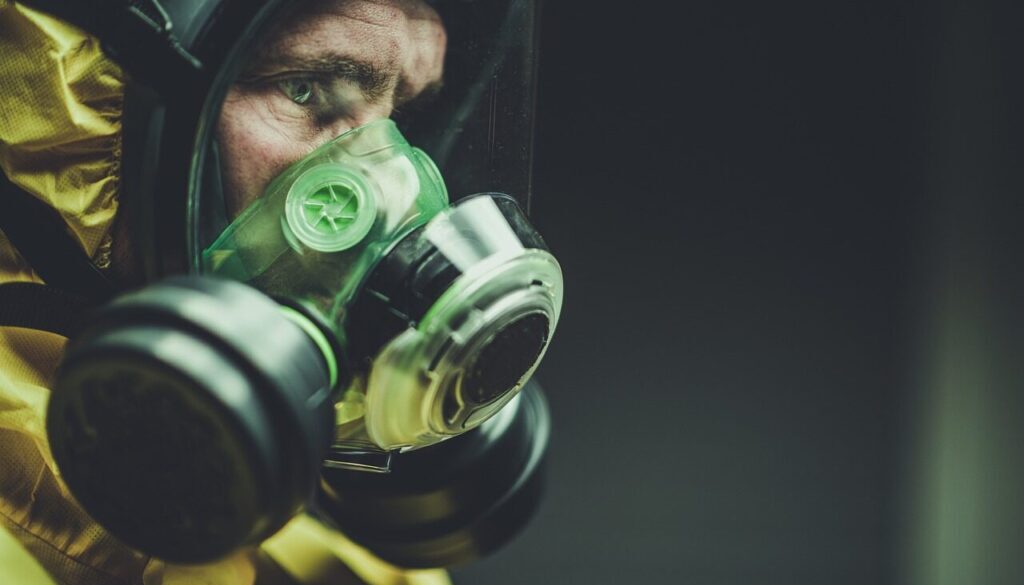
When treating biological threats, professionals must wear comprehensive protective gear. This includes full-body protective suits, dual-layer respiratory masks, sealed face shields, and heavy-duty, puncture-resistant gloves. This advanced equipment protects workers from inhaling airborne pathogens or physically touching dangerous microscopic agents during the extraction process.
Strict Containment Strategies
If you spill a cup of coffee in the breakroom, you simply wipe it up with a towel. You do not worry about that spill somehow affecting the offices down the hall.
Hazardous biological materials require immediate and rigorous containment before the actual removal even begins. Professionals set up negative air pressure zones and erect physical barriers using heavy plastic sheeting. They seal off the affected area completely. This process ensures microscopic particles, mold spores, or airborne viruses do not travel through the building’s ventilation system into clean rooms.
Lawful Disposal and Compliance
You toss everyday trash into a bin, tie up the bag, and wait for the weekly garbage pickup. It is a simple, unregulated process.
You cannot throw hazardous biological waste into a standard dumpster. Local and federal laws dictate exactly how you must handle, transport, and destroy these materials. Specialists place all contaminated items—including the cleaning materials they used—into designated, clearly marked biohazard containers. They then transport these sealed containers to approved medical waste facilities for incineration. Failing to follow these strict compliance regulations often results in severe legal penalties and public health crises.
Understanding these key differences helps protect your health and your property. While standard cleaning keeps our environments comfortable, biohazard remediation acts as a necessary shield against dangerous invisible threats.