How Mold Spreads and Why Quick Removal Matters
Mold can silently compromise the structural integrity of your property and put occupants at serious risk. Understanding how it spreads is the first step toward effective prevention and swift, safe removal.
The Hidden Threat: How Mold Develops
Mold requires three basic elements to thrive: moisture, warm temperatures, and organic material to use as a food source. When water enters a property through a leaking pipe, a damaged roof, or simply high indoor humidity, it creates the perfect breeding ground for fungal growth.
Materials commonly found in homes and commercial buildings, such as drywall, wood, and paper products, provide abundant food for mold. If a damp environment remains untreated for even a short period, mold can begin to colonize within 24 to 48 hours. Because it starts as a microscopic presence, you often will not see the problem until it has established a strong foothold in the building.
The Invisible Journey: How Mold Spreads
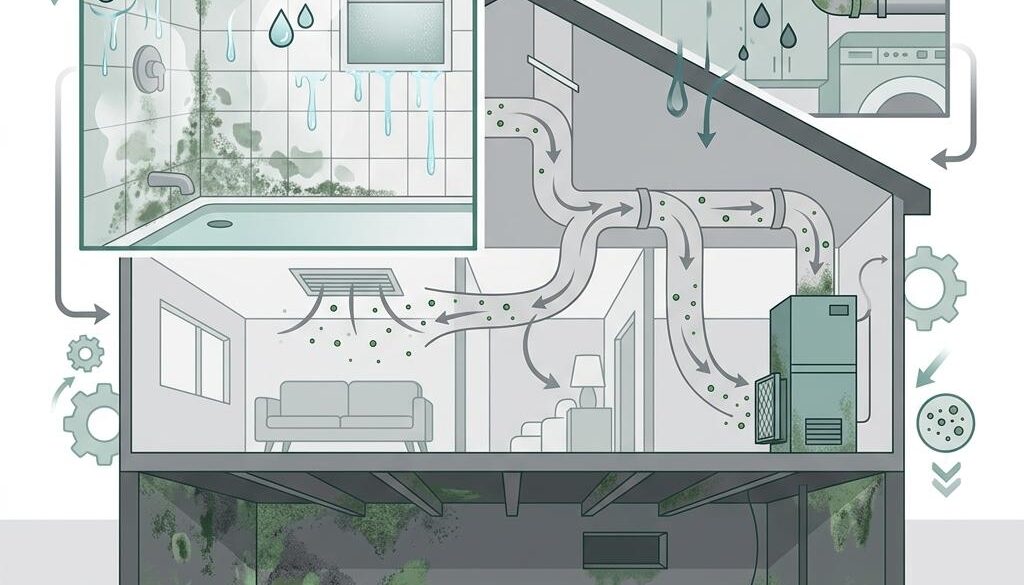
Mold reproduces by releasing microscopic spores into the air. These spores act like seeds, floating freely through the rooms of your property. They travel along air currents, pass through ventilation systems, and catch rides on clothing and pets.
While these spores exist naturally in almost all environments, they only cause problems when they land on a damp surface. Once settled in a moist area, the spores germinate and form new colonies. Hidden moisture accelerates this spread dramatically. Water trapped behind walls, under floorboards, or above ceiling tiles allows mold to grow completely out of sight. As the hidden colony expands, it releases more spores into the indoor air, turning a localized issue into a widespread contamination event.
Common Hiding Spots in Your Property
Because mold depends on water, you will usually find it near areas with high humidity or plumbing fixtures. Bathrooms and kitchens are prime targets, especially around sinks, showers, and appliances that use water. Basements and crawl spaces also harbor mold frequently due to poor ventilation and groundwater seepage.
Beyond these obvious wet zones, mold hides in less apparent spaces. Roof leaks can dampen attic insulation and ceiling tiles. Neglected HVAC systems can harbor moisture, spreading mold spores through the ductwork every time the air conditioning or heating turns on. Wall cavities, carpets, and heavy upholstery also absorb moisture easily, making them common targets for rapid mold growth.
The Real Cost of Delayed Action
Ignoring a mold problem leads to escalating consequences for both human health and building integrity. From a health perspective, prolonged exposure to mold spores can trigger severe allergic reactions. Occupants often experience respiratory issues, watery eyes, skin rashes, and chronic fatigue. For sensitive individuals, the symptoms can become highly debilitating the longer the mold remains in the air.
Structurally, mold acts as a destructive force. It literally eats the organic materials it grows on. Over time, mold will rot wooden support beams, disintegrate drywall, and ruin expensive carpets. What begins as a minor surface issue can quickly evolve into a major structural hazard that requires extensive demolition and reconstruction. Furthermore, a documented mold problem significantly lowers property value and complicates real estate transactions.
Why Fast Removal and Moisture Control Matter
Time is your most valuable asset when dealing with mold. Fast removal halts the spread of spores and minimizes the damage to your property. Removing the visible mold represents only half of the solution. To prevent the fungus from returning, you must eliminate the source of the moisture.
Fixing plumbing leaks, improving room ventilation, and running dehumidifiers will stabilize the indoor environment. By controlling indoor humidity and swiftly removing existing mold colonies, you protect the health of everyone inside the building. Quick action stops the invisible spread, saving you from complex repairs and ensuring your property remains a safe, clean place to live or work.